Featured
Our National Resources That Offer Financial counseling fo...
Excitement About What to Pay for Certified Counseling Help
Policy Changes Affecting Bankruptcy Availability Can Be Fun For Everyone
Table of Contents
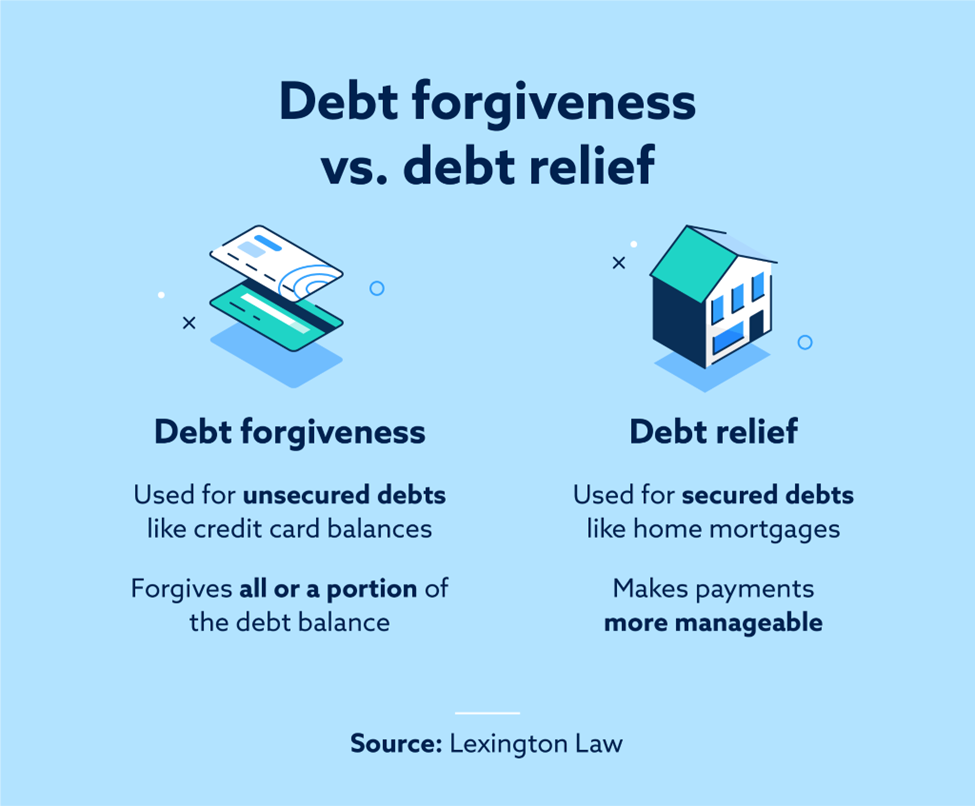
That releases up cash in the short-term, and you may have three to 4 years to conserve toward the settlement amount. Really damaging to credit history scores, primarily as a result of missed out on repayments and an unfavorable "settled" mark that can remain on your credit report for approximately seven yearsMay be only alternative if various other alternatives (debt combination, balance transfer bank card, financial obligation mercy) aren't possibleTypically requires a fee to the 3rd party, which could offset some or all of the financial savings from financial obligation settlementMay help you prevent bankruptcy if you have actually missed out on several paymentsNot all financial institutions work with debt settlement firms Financial debt mercy might be best for you if you are experiencing a financial hardship that makes it virtually difficult to pay down your financial debt balances.

With a DMP, you make one monthly repayment to the credit scores counseling firm. Those funds are after that dispersed to lenders of your unsafe debts, such as charge card and installment financings. The company functions with your financial institutions to lower rate of interest or waive fees, but some creditors may decline such giving ins.
It can help you pay down financial debt if you're able to secure a finance price that's reduced than the average price of the accounts you're combining. You need to refrain from racking up financial obligation on those recently gotten rid of accounts or your financial obligation can expand even greater.
That provides you lots of time to get rid of or considerably reduce your equilibrium while making interest-free repayments.
6 Easy Facts About Hidden Charges That APFSC Eliminate Explained
You may require it if your lender or a collection company ever tries to gather on the financial debt in the future. When a lending institution forgives $600 or more, they are needed to send you Type 1099-C.
Financial obligation forgiveness or settlement usually injures your credit rating. Anytime you resolve a financial obligation for less than you owe, it might appear as "resolved" on your debt report and affect your credit rating for seven years from the date of negotiation. Your debt can also drop significantly in the months causing the mercy if you fall behind on repayments.
An Unbiased View of Does How Strategic Goal Setting Can Transform Your Debt Elimination Journey : APFSC Make Sense for Your Case
This scenario typically results from underreporting income, not filing returns on time, or inconsistencies located during an IRS audit. The repercussions of building up tax obligation debt are major and can consist of tax obligation liens, which give the Internal revenue service a lawful insurance claim to your residential or commercial property as security for the debt.
Earnings and Financial institution Accounts Internal revenue service can impose (seize) salaries and financial institution accounts to satisfy the financial obligation. Property Seizure In severe instances, the Internal revenue service can confiscate and offer residential or commercial property to cover the financial debt.
Social Stigma Encountering legal action from the IRS can bring social preconception. Work Opportunities A poor credit scores score due to tire debt can restrict work chances. Government Advantages Tax financial obligation may impact eligibility for federal government advantages, such as Social Security and Medicaid.
Not known Incorrect Statements About Accessing Help for Anyone's How Strategic Goal Setting Can Transform Your Debt Elimination Journey : APFSC Journey
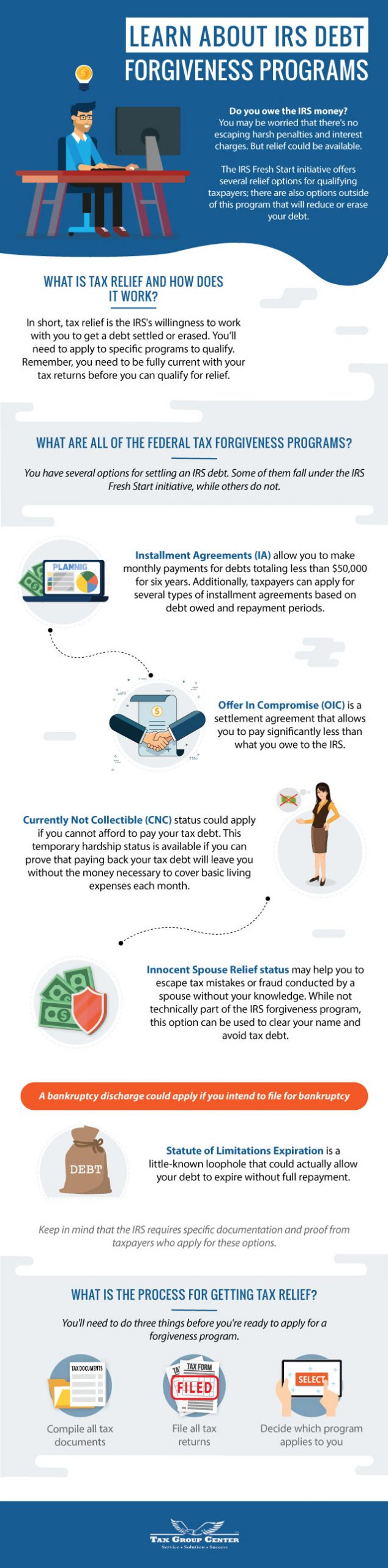
The OIC thinks about several elements, including the taxpayer's revenue, expenditures, property equity, and ability to pay. Successfully working out an OIC can be intricate, calling for a complete understanding of the IRS's guidelines and a solid argument for why your deal straightens with your capability to pay. It is necessary to note that not all applications are approved, and the procedure calls for comprehensive financial disclosure.
The internal revenue service analyzes your general monetary scenario, including your earnings, expenditures, property equity, and capability to pay. You must also be present with all declaring and settlement demands and not be in an open personal bankruptcy proceeding. The internal revenue service also considers your conformity history, evaluating whether you have a document of timely declaring and paying taxes in previous years.
More About Free Informational Debt Counseling Workshops Provided by APFSC
The application procedure for a Deal in Concession involves a number of comprehensive steps. You need to complete and submit IRS Kind 656, the Offer in Compromise application, and Kind 433-A (OIC), a collection info declaration for individuals. These forms require detailed economic info, including details concerning your income, financial debts, expenses, and assets.
Back taxes, which are overdue taxes from previous years, can considerably raise your complete IRS financial obligation otherwise dealt with promptly. This debt can build up interest and late payment fines, making the original quantity owed a lot bigger gradually. Failure to repay taxes can cause the IRS taking enforcement actions, such as providing a tax obligation lien or levy against your residential or commercial property.
It is essential to deal with back tax obligations immediately, either by paying the complete quantity owed or by preparing a layaway plan with the IRS. By taking proactive actions, you can stay clear of the build-up of extra passion and fines, and stop much more aggressive collection actions by the IRS.
One typical factor is the idea that the taxpayer can pay the sum total either as a lump sum or with a layaway plan. The internal revenue service also considers the taxpayer's earnings, expenses, possession equity, and future earning capacity. If these elements suggest that the taxpayer can afford to pay even more than the supplied quantity, the IRS is most likely to decline the deal.
How Staying Safe Against Fraudulent Schemes can Save You Time, Stress, and Money.
Dealing with IRS debt can be complex and challenging. Tax experts, such as CPAs, tax lawyers, or enlisted representatives, can give important support.

Table of Contents
Latest Posts

How What the Law Says When Pursuing How APFSC Helps Veterans Manage Debt can Save You Time, Stress, and Money.
Facts About Permanent Consequences of Personal Credit Score Revealed
Our National Resources That Offer Financial counseling for veterans in Alabama who feel stuck making only minimum payments Diaries
More
Latest Posts
How What the Law Says When Pursuing How APFSC Helps Veterans Manage Debt can Save You Time, Stress, and Money.
Facts About Permanent Consequences of Personal Credit Score Revealed